Why Forcing a Stuck Key Can Damage the Lock and How to Avoid It
When a key refuses to turn in a lock, the natural impulse is to apply more force. A little extra pressure often seems like the quickest fix. But that instinct can turn a minor inconvenience into a costly repair. Understanding what happens inside the lock when you force a stuck key helps explain why patience and the right approach matter more than muscle.
Most locks contain a series of spring-loaded pins that align with the key's cuts when the correct key is inserted. When you turn the key, the pins lift and allow the cylinder to rotate. If a key is stuck, it usually means one or more pins are not fully aligned. Forcing the key can bend or break the key blade, damage the pins, or even crack the cylinder housing. Once the key snaps off, the situation changes from a simple jam to a broken key removal job that requires special tools and expertise.
Okey Locksmith is also on Instagram.
What Happens Inside the Lock When You Force It
A standard pin tumbler lock relies on precise alignment. The key blade has a series of grooves and peaks that correspond to the lock's internal pins. When you insert the correct key, the pins rise to the correct height, allowing the cylinder to rotate freely. If a pin is stuck or the key is slightly worn, the alignment may be off. Forcing the key pushes the pins against their springs with extra pressure. Over time, this can wear down the pins or cause them to bind permanently. In some cases, the force can shear off the key, leaving a fragment lodged in the cylinder. That is when you need broken key removal services to extract the piece without damaging the lock further.
The key cylinder itself is often made of brass or a brass alloy, which is relatively soft. A steel key blade is harder, so forcing it can gouge the cylinder's interior. Once the cylinder walls are scored or deformed, even a properly cut spare key may not work smoothly. The lock may become stiff or fail entirely, requiring a full replacement of the cylinder or the entire lock assembly.
Common Reasons a Key Gets Stuck
Several everyday issues can cause a key to jam. Recognizing them early helps you avoid the temptation to force it.
- Worn key blade: After years of use, the edges of a key become rounded. A worn key may not lift the pins to the correct height, causing it to stick.
- Dirt and debris: Dust, grit, or dried lubricant can accumulate inside the key cylinder, blocking the pins from moving freely.
- Misaligned lock components: Over time, screws can loosen or the lock mechanism can shift slightly, throwing off the alignment.
- Temperature changes: Metal expands and contracts with temperature. A lock exposed to extreme weather may bind temporarily.
- Wrong key or duplicate: A poorly cut duplicate may have slight dimensional differences that prevent full alignment.
If you encounter a stuck key, stop turning. Gently wiggle the key while pulling it straight out. A small amount of graphite lubricant sprayed into the keyhole can sometimes free a jammed pin without forcing the key. If the key still will not budge, it is better to call a professional locksmith than to risk breaking it off.
How Broken Key Removal Works
When a key snaps off inside the lock, the remaining fragment sits in the keyway, blocking the pins. A locksmith uses specialized tools to extract the broken piece. One common method involves inserting a thin, hooked pick behind the key fragment and gently pulling it out. Another technique uses a small drill to create a pilot hole in the broken key, then a screw extractor is used to twist it free. Both methods require steady hands and a thorough understanding of the lock's internal layout. Attempting to remove a broken key yourself with pliers or a magnet often pushes the fragment deeper or damages the pins, making professional broken key removal more complicated.
In some cases, the lock cylinder may need to be disassembled to access the broken piece. This is more involved but preserves the original lock hardware. If the cylinder is damaged beyond repair, the locksmith may recommend replacing it entirely. The cost and time depend on the lock type and the extent of the damage.
What This Means for Homeowners and Vehicle Owners
For anyone who relies on keys daily, understanding the risks of forcing a stuck key is practical knowledge. A moment of frustration can lead to a lockout situation where you cannot enter your home or start your car. With a house lock, you may have a spare key stored elsewhere, but if the lock is damaged, even the spare may not work. That is why having replacement house keys cut from the original key code is always a good idea - they are more likely to match the lock's precise pin configuration. Keeping a spare set in a safe place can save time and stress if a key breaks.
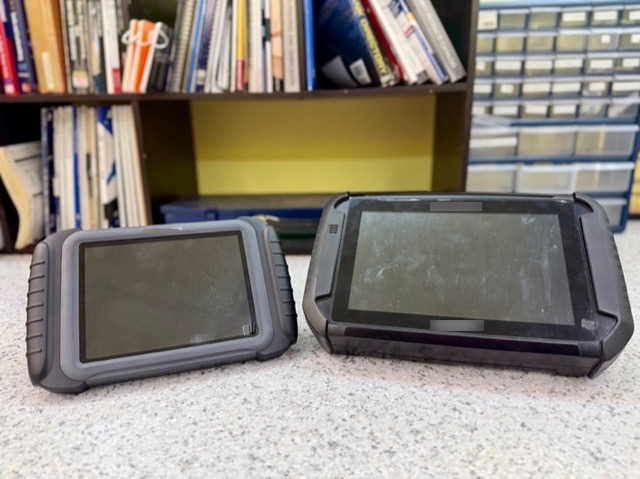
Automotive locks add another layer of complexity. Many modern cars use transponder keys that contain an electronic chip. If the key breaks off in the ignition or door lock, removing it requires care to avoid damaging the transponder. A locksmith who specializes in automotive locks can often extract the broken piece without harming the electronic components. After extraction, they can cut a new key based on the original key code if you have it, or decode the lock to create a replacement.
Preventive Steps to Avoid a Broken Key
Simple habits can reduce the chances of a key getting stuck in the first place. Keep keys clean and dry. Wipe them occasionally with a cloth to remove grit. Lubricate your locks once or twice a year with a dry graphite powder, not oil, which attracts dust. If a key starts to feel tight, have it inspected by a locksmith before it becomes a problem. A professional can tell if the key blade is worn and needs replacement, or if the lock itself is developing an issue.
If you lose your only key or the original breaks, a locksmith can create a new key from the lock's key code, provided the code is recorded. Some locks have the code stamped on the cylinder or on a card that came with the lock. Keeping that information in a secure place simplifies getting replacement house keys later. Without the code, the locksmith may need to remove the cylinder and decode it, which takes more time but is still possible.
In summary, forcing a stuck key is a gamble that rarely pays off. The internal damage can turn a simple jam into a lock replacement or a complex extraction. When you feel that familiar resistance, take a breath, stop pushing, and assess the situation. A little lubrication, gentle wiggling, or a call to a professional can often solve the problem without breaking anything. Broken key removal is a service best left to those with the right tools and experience, but understanding why it happens helps you avoid the need altogether.
Okey Locksmith, located at 3121 SW 29th St, Oklahoma City, OK 73119, USA, can be reached at +1 405-703-8943 for 24/7 mobile automotive, residential, commercial, access control, and emergency locksmith services in Oklahoma City and nearby communities.